Author: admin

  • Wear Your Power — Fashion as Confidence and Change

    Wear Your Power — Fashion as Confidence and Change

    Fashion has the ability to help us inhabit space, express identity, and motivate change. The right outfit can change our internal experience and how the world perceives us. That’s the nature of fashion—it’s a tool of confidence and a statement of values. 

    Psychologist Carolyn Mair (2018) states “clothing influences mood, self-esteem, and performance.” What we wear can change the way we think and feel, influence posture, energy, and our ability to focus. When you dress with intention, you carry yourself differently by expressing a projection of who you are on the way to who you want to be. 

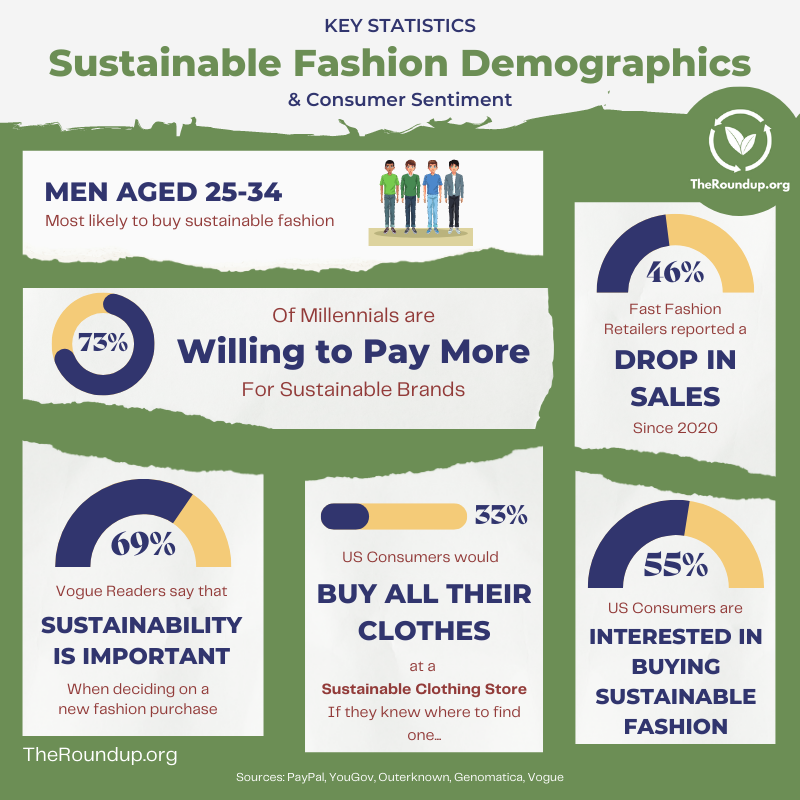
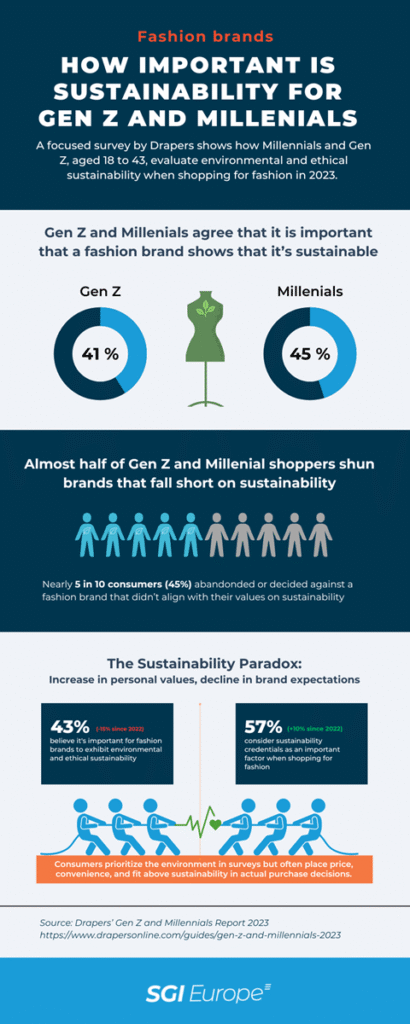
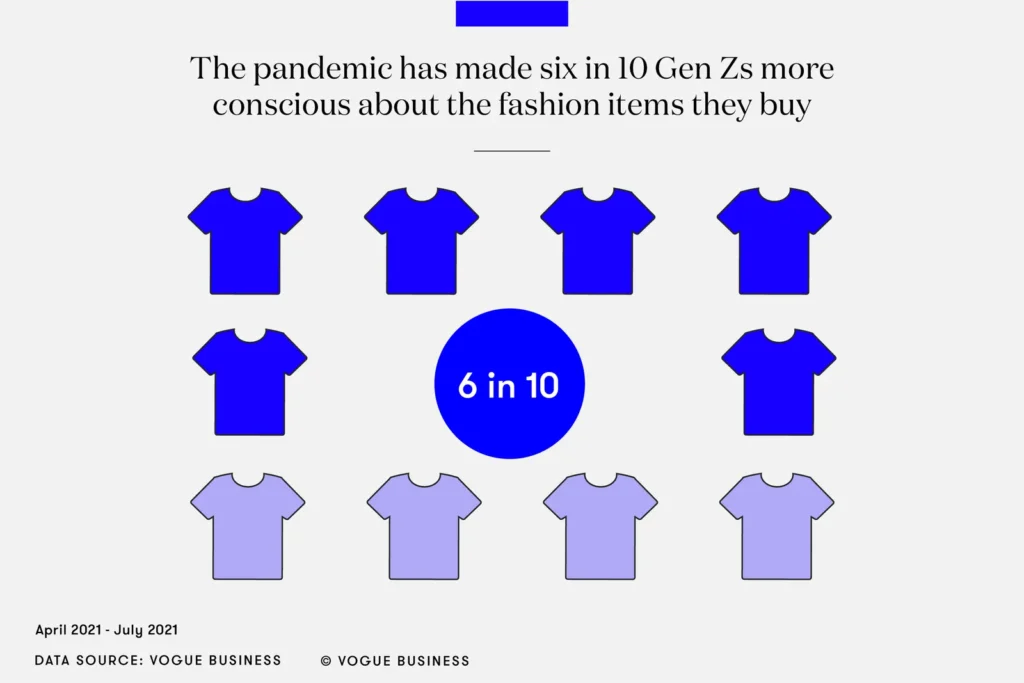
    Beyond individual empowerment, fashion has become a space for activism. Related to fashion, we have seen everything from t-shirts quoting “We Should All Be Feminists” referenced in Chimamanda Ngozi Adichie’s 2012 TED Talk to a global action for sustainable and ethical fashion. Style has now become a social statement. According to Statista (2024), two-thirds of Gen Z shoppers stated they would be more likely to buy from a sustainable or ethical brand, indicating this generation is purchasing to includes a level of meaning in what they wear. 
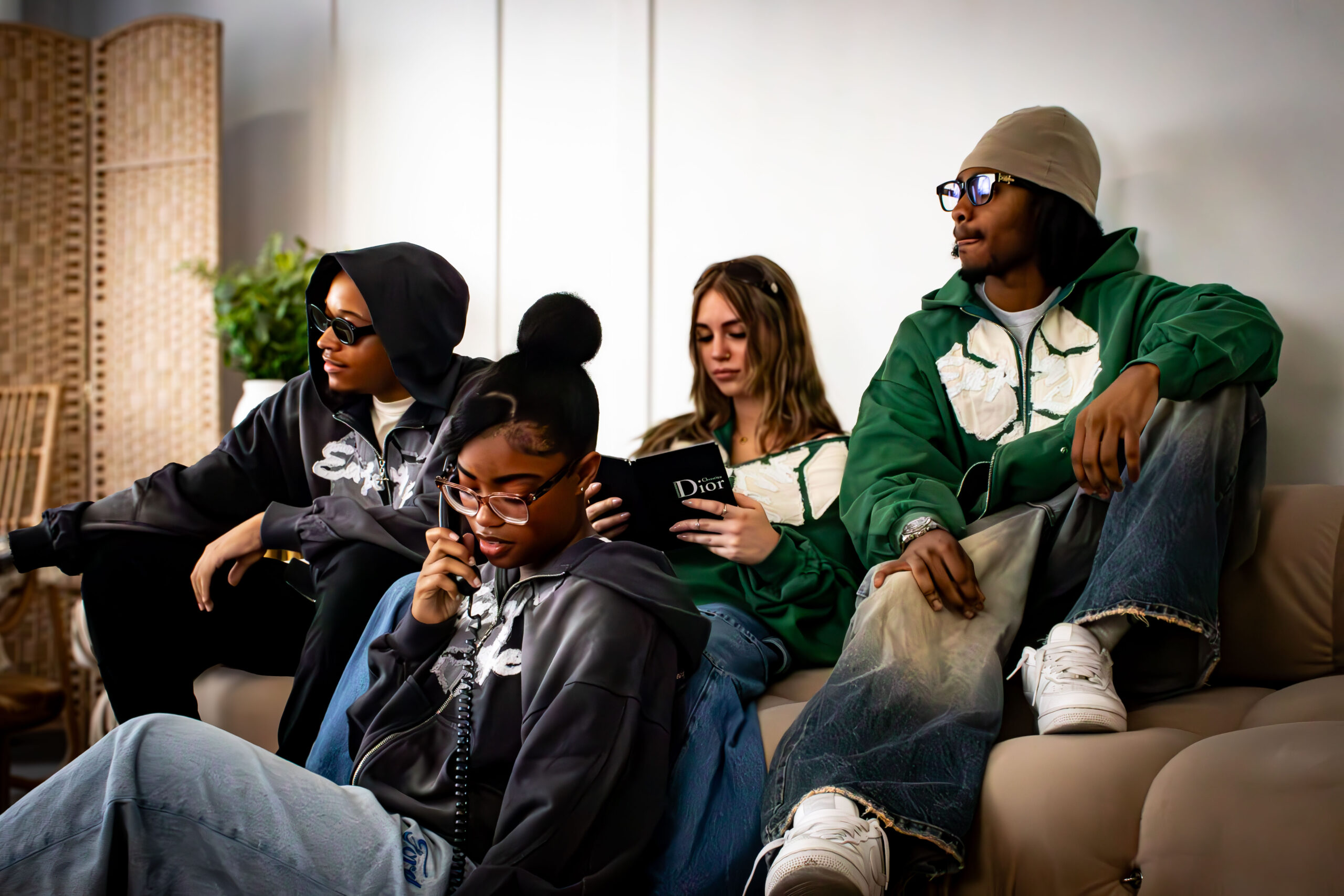
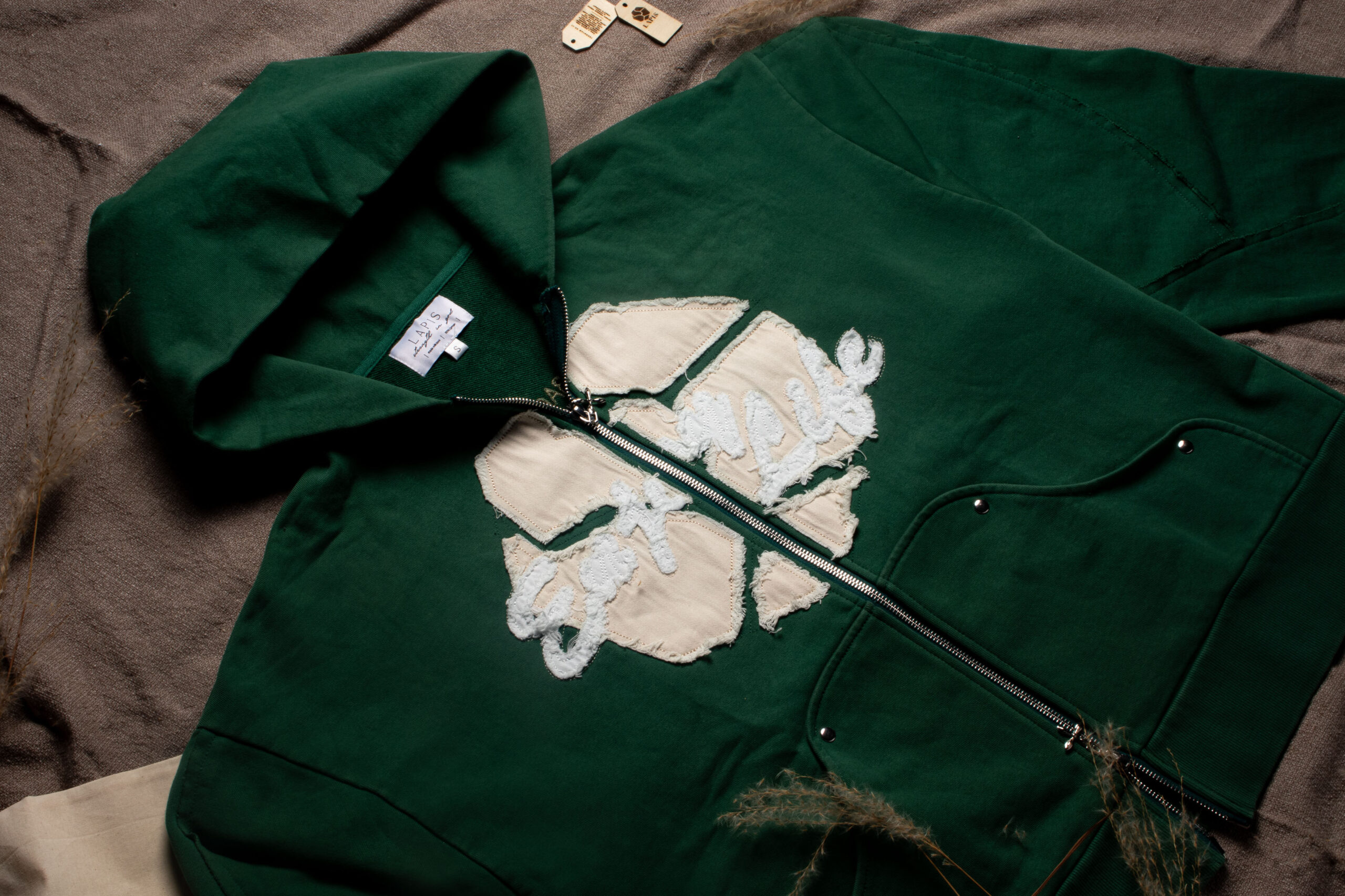
    To me, power through fashion is wearing things that reflect both purpose and strength—a bright colored jacket before giving a presentation or even wearing my brand’s hoodie when I’m creating. It’s not about vanity, it’s about armor. Clothing gives us the ability to have some say in our narrative and walk in our power.

    Fashion not only expresses confidence but also builds confidence. When we make choices of How to dress with intention, we are also making choices of how we want to be.

    Tag your most empowering look with #WearYourPower and share how fashion makes you feel unstoppable.

    References:
    Mair, C. (2018). The Psychology of Fashion. Routledge.
    Statista. (2024). Share of Gen Z consumers who prefer sustainable fashion brands worldwide.
  • Dressed by Culture — How Fashion Builds Belonging

    Dressed by Culture — How Fashion Builds Belonging

    Fashion does not exist in isolation; it is influenced by culture, history, and community. For instance, from Indigenous clothing with intricate beadwork to hip-hop streetwear, all clothing contains many layers of collective meaning. What we wear is likely an indicator of the people, traditions, and spaces that shape us.

    Fashion, according to McRobbie (2020), is “a dialogue between personal identity and cultural belonging.” Clothing styles are not arbitrarily pulled from the ether; they emerge from cultural references like music, film, geography, and social influence. Take, for instance, the rise of streetwear globally, thrift shopping vintage clothing, and culture-producing fashion that combines traditional dress and modern styles.

    Streetwear was born in the 1980s by Black and Latino youth in Los Angeles and New York, synthesized from elements of hip-hop, skate, and graffiti culture (Mears, 2021). It began as a rebellion and an expression of community, and then transformed into a global style embraced by luxury brands. What was once counterculture now finds itself in high fashion.

    Growing up, my sense of style was shaped by the influences of the people in my community – friends, trends in the community, and social media creators who were proud to use fashion to express themselves. That feeling of belonging is the true value of fashion – it puts us in a bigger story outside of ourselves, and even enables us to express individuality in that story.

    Even online, digital communities can emerge around a common aesthetic – whether sustainability, gender-fluid aesthetics, and so on. Clothing can become a way to communicate with one another, linking us together even when traveling in different parts of the country with different harmonies or cultural beliefs.

    Fashion is about relationships or connection, not fabric.

    Who influences your style the most—your culture, your friends, or your favorite artist? Comment or post using #DressedByCulture.

    References:
    McRobbie, A. (2020). Feminism and the Politics of “Resilience.” Polity Press.
    Mears, A. (2021). Fashion and Cultural Studies. Routledge.

  • Every Thread Has a Story — How Clothes Speak Before We Do

    Every Thread Has a Story — How Clothes Speak Before We Do

    Before we open our mouths, our clothing is already communicating for us. The colors, fabrics, and details we select narrate stories about who we are, where we’ve been, and what we aspire to become. Fashion is not just about the textile—it is a non-verbal communication.

    Even before we utter a single word, our clothing speaks for us. The colors, textures, and details about the clothing we choose all have narratives about who we are, where we’ve been, and what we aspire to be. Fashion is much more than fabric—it is a mode of silent communication.

    In fact, research by Adam and Galinsky (2012) demonstrated that while clothing is worn, it directly changes the way we think and conduct ourselves, which is referred to as enclothed cognition. For example, individuals who wore clothing associated with confidence or professional clothing performed better and felt more confident in performing the tasks required of them when they wore clothing associated with confidence. So, fashion really affects the way we think and perceive the self, and ultimately how we are perceived by others.

    Consider the outfit that you most feel yourself in. Perhaps it’s a denim jacket that has witnessed both emotional heartbreak and laughter, or a pair of sneakers that evoke visions of freedom, running, and youth. These pieces of clothing represent moments in time that symbolize memories, but more specifically signify growth in personal identity, or experiences of change.

    Actually, Adam and Galinsky (2012) conducted a study where they discovered that what we wear influences our thoughts and behaviors, a phenomenon called enclothed cognition. When individuals wear clothing associated with power or confidence, they perform better and feel more powerful. More simply, fashion impacts how we perceive ourselves—and how the world perceives us.

    Reflect upon the article of clothing you wear when you feel most like yourself. Perhaps it is a denim jacket emblazoned with heartbreak and laughter, or your beloved sneakers alluding to sensations of freedom, physicality, or youth. The clothing you select to wear on a daily basis is not just a clothing choice, it is representative of memory. The clothing you select represents markers of identity growth and changes.

    When I began to understand that clothing is a form of storytelling, I came to the conclusion that I was building my own visual diary. Each hoodie, ring, or jacket represents a view of creativity, comfort, or the process of evolving as a person. Each day, our lifestyle choices express to the world how we feel and what we value without ever saying a word.

    As the fashion journalist Suzy Menkes once said: “Clothes are never a frivolity. They always mean something.” Fashion is both universal as well as highly personal, in fact, it is an invisible language we all understand whether we choose to blend in or stand out. We are constantly writing chapters of our visual history through the clothes we wear.

    So, next time when you go to dress for the day, ask yourself: what story are you telling today?

    What’s one piece of clothing that tells your story? Share it with #EveryThreadHasAStory.

    Reference:
    Adam, H., & Galinsky, A. D. (2012). Enclothed cognition. Journal of Experimental Social Psychology, 48(4), 918–925.